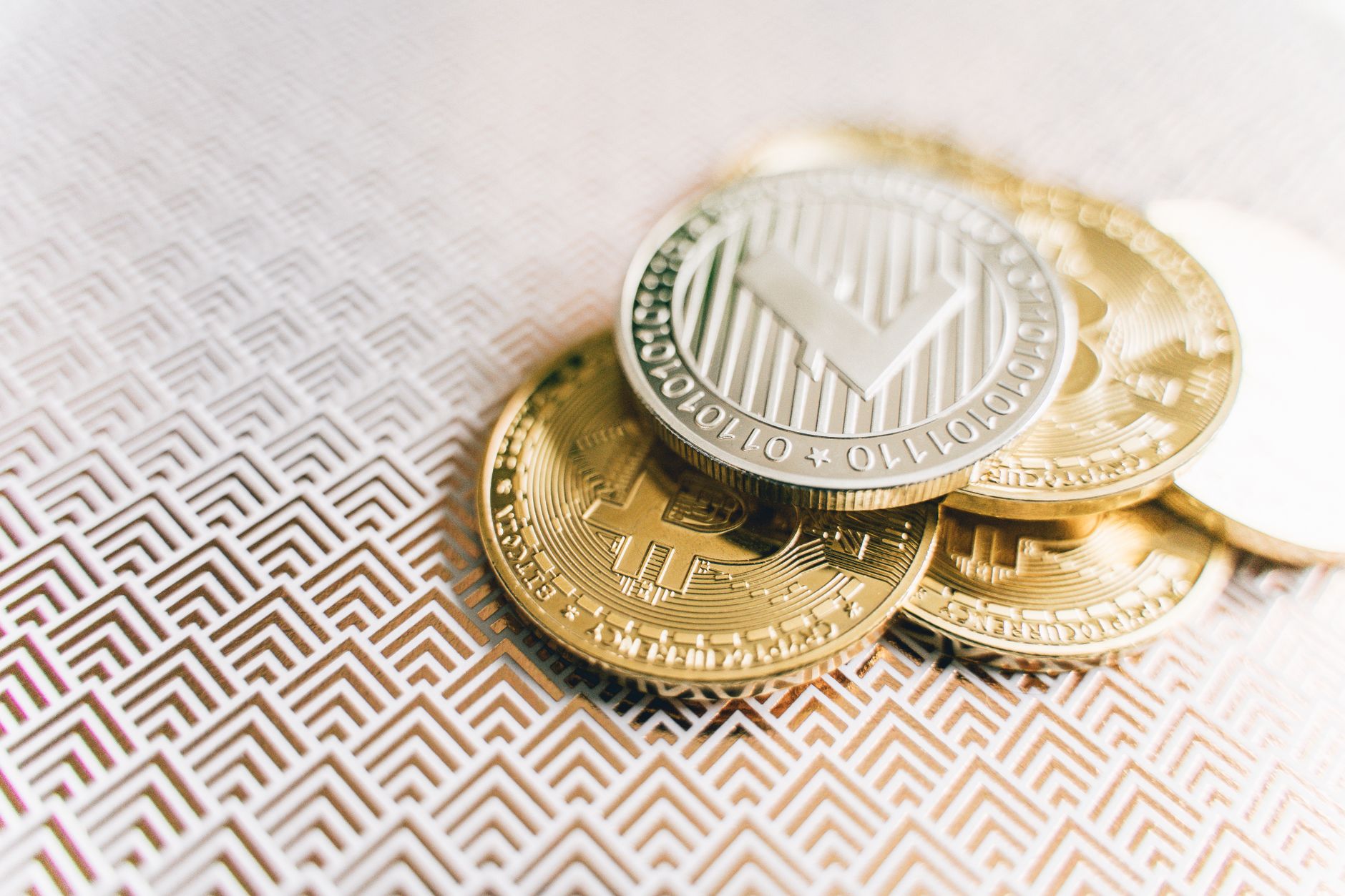
Safeguarding Your Stash: Wallets, Keys, and Why They Matter (Explainer & FAQs)
In the burgeoning world of cryptocurrency, the concept of "safeguarding your stash" transcends mere financial advice; it's a fundamental principle for anyone participating in the decentralized economy. Unlike traditional banks that hold your assets, you are solely responsible for the security of your digital currencies. This involves understanding and utilizing various wallet types – from hardware wallets offering robust offline protection to software wallets providing convenient online access – and diligently managing your private keys. These keys are the cryptographic passwords that grant access to your funds, making their protection paramount. Losing them is akin to losing cash, with no central authority to recover them, underscoring the critical importance of a proactive and informed approach to crypto security.
The significance of proper wallet and key management cannot be overstated, as it directly impacts the safety and accessibility of your valuable digital assets. Think of your private key as the master key to a vault, and your wallet as the interface you use to interact with that vault. Therefore, a comprehensive understanding of how these elements function is crucial for preventing theft, scams, and accidental loss. Our FAQs section will delve deeper into common queries, such as:
- What's the difference between a hot and cold wallet?
- How do I back up my private keys securely?
- What are common phishing scams to watch out for?
Experience the future of online gaming with CryptoCasino, where cutting-edge technology meets thrilling entertainment. Enjoy a secure and anonymous gaming environment with a wide selection of games and instant transactions.
Playing It Smart: Practical Security Habits & Avoiding Common Scams (Tips & Q&A)
Navigating the digital landscape safely requires more than just good intentions; it demands proactive security habits. Think of your online presence as a fortress: you wouldn't leave the drawbridge down, would you? Implementing practices like strong, unique passwords for every account, enabling two-factor authentication (2FA) wherever possible, and regularly updating your software are foundational. Furthermore, be wary of unsolicited emails or messages asking for personal information, even if they appear to be from a trusted source. A healthy dose of skepticism is your best defense against phishing attempts and other social engineering tactics. Always verify the sender and the request through an independent channel before clicking any links or providing sensitive data.
Beyond individual habits, understanding common scam tactics is crucial for safeguarding your digital life. Scammers constantly evolve their methods, but many rely on universal human vulnerabilities like urgency, fear, or the promise of easy riches. Be on high alert for
- phishing emails impersonating banks or government agencies
- tech support scams claiming your computer is infected
- investment scams promising unrealistic returns
- romance scams preying on emotional connections