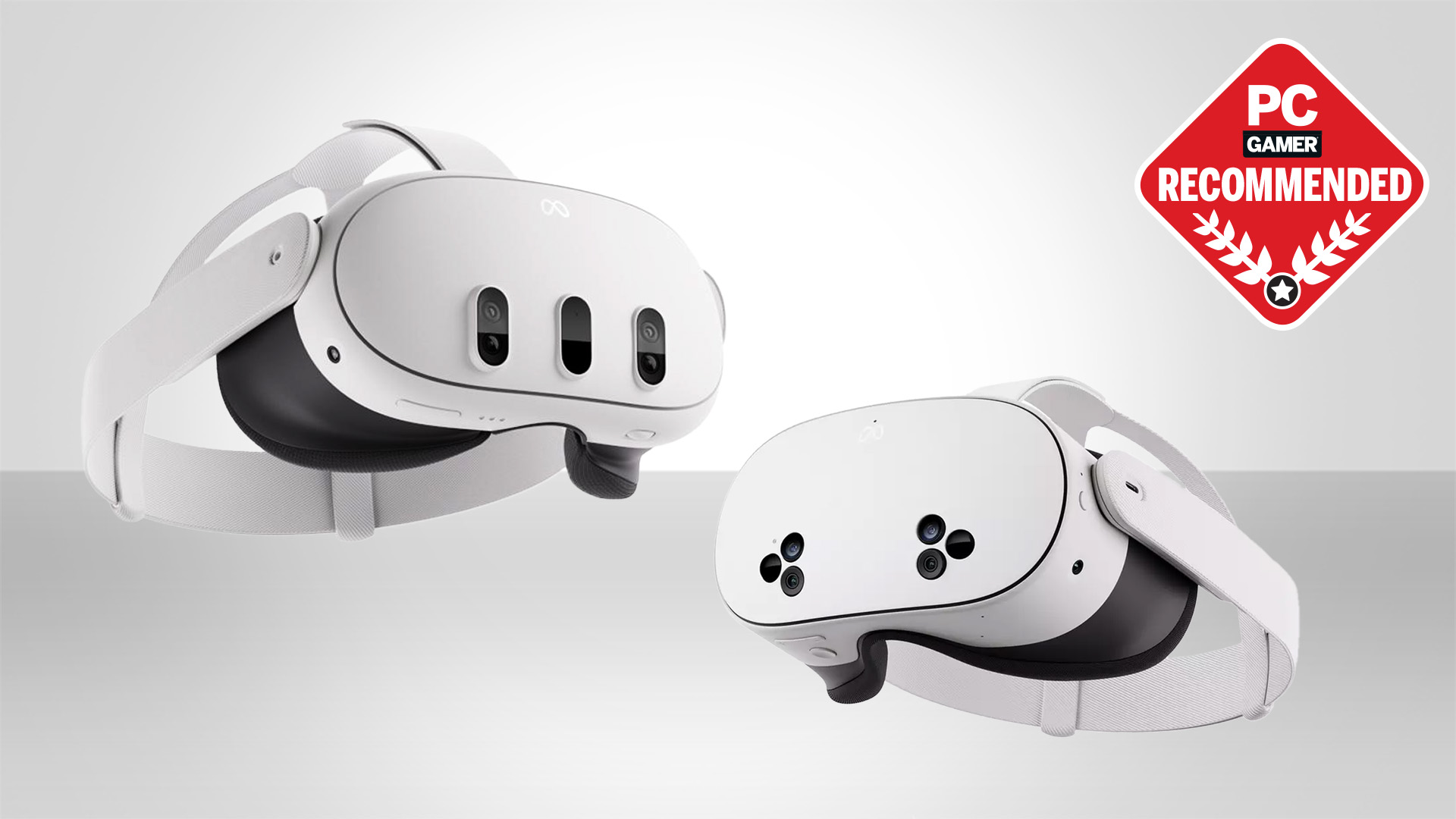
Exploring the Boundless Realms of Virtual Reality: An Introduction
Virtual reality (VR) is not just a fleeting trend; it represents a revolutionary shift in how we experience digital content. By immersing users in 3D environments, VR allows for unprecedented interaction and engagement. Imagine being able to walk through a virtual museum, dive beneath the ocean surface, or even explore outer space, all from the comfort of your home. This technology is reshaping industries, from gaming to education, by providing unique experiences that traditional media simply cannot match.
As we explore the boundless realms of virtual reality, it is essential to understand the foundational elements that make this medium so captivating. The combination of head-mounted displays, sensory feedback, and interactive software creates a sense of presence that transports users to entirely new worlds. Whether it’s for training simulations, therapeutic applications, or entertainment, the potential for VR is limitless. By tapping into various senses and offering rich, immersive narratives, virtual reality is poised to transform how we connect with information and each other.
Counter Strike is a popular multiplayer first-person shooter game that has gained immense fame since its inception. Players join either the Terrorists or Counter-Terrorists and compete in various game modes. In addition to mastering gameplay tactics, many gamers enjoy optimizing their setups. For instance, if you're looking to enhance your gaming experience, check out the Top 10 apple vision pro accessories that can elevate your gameplay.
How Virtual Reality is Transforming Entertainment and Education
Virtual Reality (VR) is revolutionizing the way we experience both entertainment and education, creating immersive environments that engage users like never before. In the entertainment sector, VR technologies have transformed traditional media consumption, allowing users to step inside their favorite games, movies, and virtual concerts. With platforms such as Oculus Rift and HTC Vive, players can not only interact with the virtual realm but also experience a heightened sense of presence that traditional media cannot offer. This innovation has led to the development of interactive storytelling where users can alter the narrative through their decisions, making them a part of the story itself.
In education, VR opens up a world of possibilities for both educators and students. Virtual classrooms and field trips can transport students to ancient civilizations, outer space, or even inside the human body, enhancing learning outcomes through experiential education. For instance, medical students can practice surgeries within a completely safe virtual environment, while history students can walk through the streets of Rome or witness historical events firsthand. This innovative approach not only boosts engagement but also caters to diverse learning styles, making education more accessible and effective for everyone.
Can Virtual Reality Replace Real Experiences?
As technology continues to advance, the question of whether virtual reality can replace real experiences has become a topic of extensive debate. On one hand, VR offers immersive experiences that can stimulate the senses and transport users to various environments without leaving their homes. From virtual travel to simulated adventures, VR can provide unique experiences that are often too expensive or impractical to replicate in real life. However, the essence of genuine human interaction and the emotions tied to real-world experiences raise concerns about the limitations of virtual environments.
Critics argue that even the most sophisticated VR cannot capture the full spectrum of human emotions and connections formed through shared experiences. While VR can create a sense of presence, it lacks the physical touch and spontaneous moments that often define our lives. For example, attending a live concert or engaging in outdoor activities offers sensory feedback and social interaction that a headset simply cannot replicate. Thus, while virtual reality can enhance and expand our options, it still struggles to fully replace the authenticity and richness of real experiences.