Understanding USB-C: How This Powerful Connector Can Revolutionize Your Devices
Understanding USB-C is essential for anyone looking to enhance their technology experience. This versatile connector not only simplifies the way devices connect and communicate, but it also brings a wealth of benefits to consumers and creators alike. USB-C supports faster data transfer speeds and higher power delivery, allowing for quicker charging times and more efficient performance. With the ability to connect a wide range of devices, including laptops, smartphones, and accessories, it’s no wonder that USB-C is quickly becoming the universal standard.
One of the most significant features of USB-C is its reversible design, which eliminates the frustration of plugging in cables incorrectly. Additionally, this powerful connector supports various protocols such as DisplayPort and HDMI, making it easier to connect to external displays and enhance your multimedia experience. As more manufacturers adopt this technology, understanding USB-C becomes vital for making informed purchasing decisions and fully utilizing the capabilities of your devices.
Counter-Strike is a highly popular multiplayer first-person shooter (FPS) game that originated as a mod for Half-Life. It features two opposing teams, terrorists and counter-terrorists, competing to complete objectives such as bomb defusal or hostage rescue. For gamers, staying updated with the best gear is essential, and you can check out the Top 10 Accessories for Coding with MacBook to enhance your gaming and programming experience.
The Benefits of USB-C: Why You Should Make the Switch Today
USB-C has quickly become the standard for charging and data transfer across a range of devices, from smartphones to laptops. One of the key benefits of making the switch to USB-C is its versatility. Unlike its predecessors, USB-C is a reversible connector, meaning you can plug it in without worrying about the orientation. This simple design enhances user convenience and reduces wear and tear on both cables and devices. Additionally, the increased power delivery capabilities of USB-C allow for faster charging; a feature that busy individuals will appreciate, as it can significantly reduce downtime.
Moreover, adopting USB-C paves the way for seamless connectivity. With a single port supporting various protocols such as Thunderbolt 3 and DisplayPort, users can connect multiple peripherals, including monitors, external drives, and more, using just one cable. This minimizes clutter and simplifies your tech setup, making it more efficient and aesthetically pleasing. As more manufacturers embrace USB-C, investing in this technology today not only future-proofs your devices but also enhances overall productivity. It's time to make the switch!
USB-C vs. Other Connectors: Which One is Right for You?
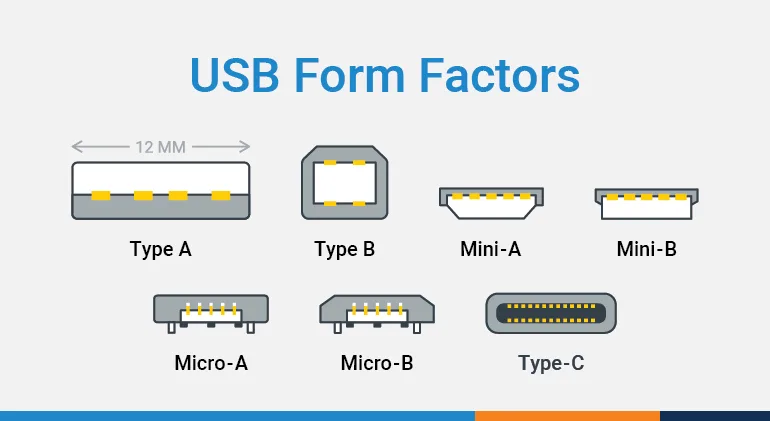
The landscape of technology is ever-evolving, and one of the most significant changes in recent years has been the rise of USB-C. Unlike traditional connectors, USB-C offers versatility and efficiency with its reversible design, allowing for easy connections regardless of orientation. This new standard is capable of transferring data at speeds up to 10 Gbps, providing fast charging options, and even supporting video output. But with so many other connectors available, such as USB-A, USB-B, and even legacy connectors like HDMI and VGA, how do you decide which one is right for you? Let's take a closer look at how USB-C stacks up against its competitors.
When considering which connector best suits your needs, it’s essential to evaluate compatibility with your devices. For instance, while USB-A remains widely adopted across older devices, it lacks the versatility that USB-C offers. If you frequently connect modern gadgets like laptops, smartphones, and peripherals, adopting USB-C may be beneficial. Additionally, remember to consider the types of ports available on your equipment; if all your devices utilize USB-C, it may be time to phase out older connectors. Ultimately, your choice will depend on your specific requirements and future technology trends.