10 Fascinating Uses of Silicone You Didn't Know About
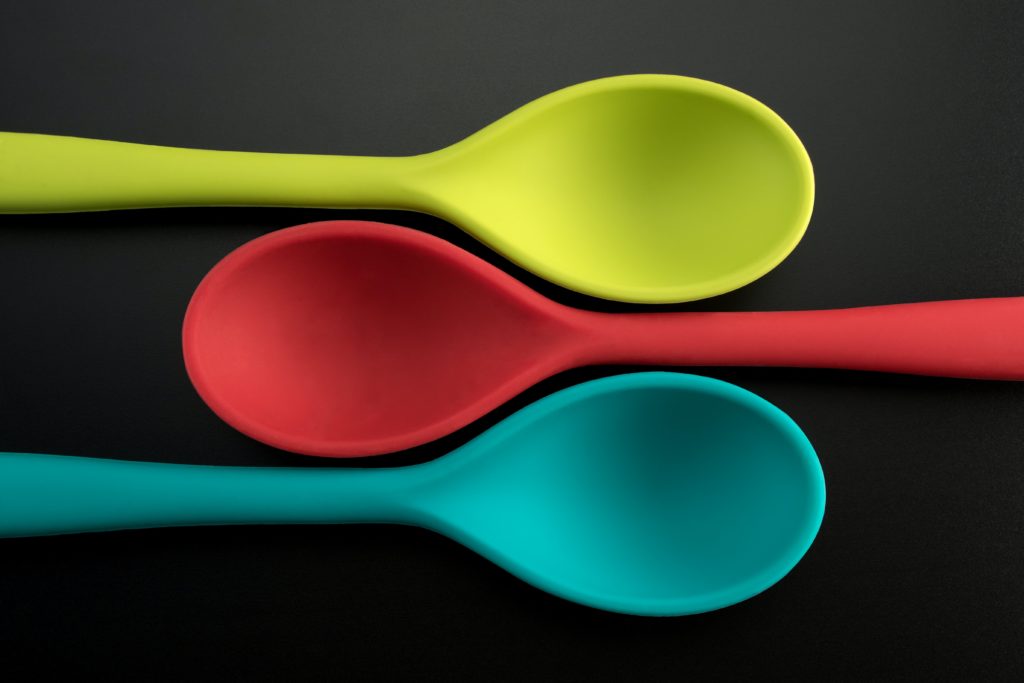
Silicone is a versatile material that has found its way into numerous applications, often in surprising ways. One fascinating use is in healthcare, where silicone is used in the production of implants and prosthetics. Its biocompatibility makes it an ideal choice for medical devices, reducing the risk of adverse reactions in the body. Additionally, silicone is utilized in everyday items like kitchenware; for instance, silicone baking mats provide a non-stick surface that withstands high temperatures, making them a favorite among baking enthusiasts.
Another remarkable application of silicone is in the field of electronics. Silicone is commonly used as a sealant for various devices, protecting them from moisture and dust. This ensures better durability and performance for everyday gadgets. Furthermore, silicone is increasingly being employed in fashion, with silicone rings gaining popularity as a safer alternative to traditional metal wedding bands. Lightweight and customizable, these rings come in a variety of colors and styles, making them a trendy choice for many couples.
Counter-Strike is a highly popular first-person shooter game that emphasizes teamwork and strategy. Since its inception, it has evolved through various versions, captivating players worldwide. For more gaming-related accessories, check out the Top 10 apple tv remote covers for enhancing your gaming setup.
How Silicone Revolutionized Modern Manufacturing Techniques
The advent of silicone in the manufacturing sector has revolutionized modern manufacturing techniques, transforming everything from electronics to automotive industries. One of the key benefits of using silicone is its versatility; it can withstand extreme temperatures and harsh chemicals, making it ideal for use in various applications. For example, silicone is commonly used for sealing and insulation in electrical devices, ensuring durability and longevity. The result is not only an enhancement in product quality but also a reduction in production costs, as manufacturers can rely on silicone's robust properties to extend lifespans and decrease failures.
Furthermore, the impact of silicone extends beyond just physical properties. Its ability to be engineered into different forms, such as gels, membranes, and foams, has led to innovative solutions in manufacturing processes. For instance, in the automotive industry, silicone components are increasingly employed to create lightweight, energy-efficient vehicles. These advancements have prompted a shift in how products are designed and produced, aligning with sustainability goals and reducing waste. As the industry continues to embrace these materials, the transformation in modern manufacturing will undoubtedly pave the way for a more efficient and eco-friendly future.
Is Silicone Safe? Debunking Common Myths and Misconceptions
Silicone has gained popularity in various industries, from kitchenware to medical devices, but many still wonder, is silicone safe? To answer this, it’s essential to separate fact from fiction. One common myth is that silicone can leach harmful chemicals into food or the body. In reality, high-quality silicone is made to withstand extreme temperatures and is resistant to UV light, which helps maintain its integrity. According to the FDA, food-grade silicone is considered safe for food contact, making it a preferred option for bakeware and kitchen utensils.
Another misconception is that silicone is non-biodegradable, leading to environmental concerns. While it is true that silicone does not decompose like organic materials, it is important to note that silicone is recyclable. Many recycling programs accept silicone products, emphasizing that is silicone safe extends beyond personal health to include environmental considerations. By choosing high-quality silicone products and following proper disposal methods, consumers can enjoy the benefits of silicone while minimizing their ecological footprint.