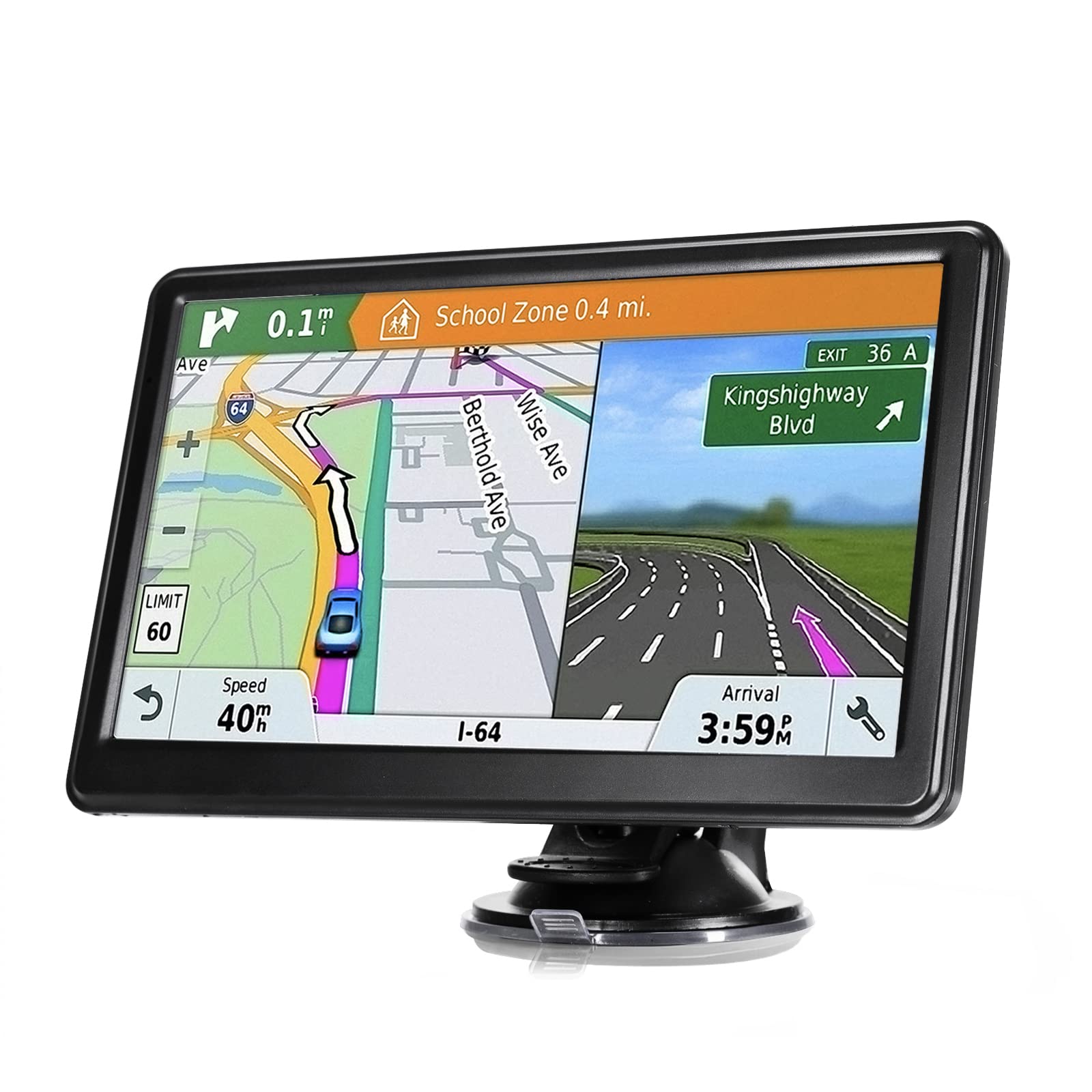
The Evolution of Navigation: How GPS Changed the Way We Travel
The evolution of navigation has undergone a remarkable transformation over the last few decades, largely due to the advent of GPS technology. Before the widespread adoption of Global Positioning System, travelers relied on traditional methods such as maps, compass readings, and landmark recognition. These techniques, while effective to a degree, often proved to be cumbersome and time-consuming. With the introduction of GPS in the late 20th century, navigation became significantly more efficient. Users could now pinpoint their exact location in real-time, leading to a revolution in both personal and commercial travel.
Today, GPS is an integral part of our daily lives, seamlessly integrated into various devices such as smartphones and vehicles. This technology has not only enhanced the way we navigate but has also enabled features like turn-by-turn directions, traffic updates, and route optimization. The ability to access GPS data from anywhere has transformed long-distance travel, making it more accessible and less stressful. As we look to the future, it's clear that innovations in GPS will continue to shape the way we travel, from autonomous vehicles to advanced navigation systems that interact with our personal preferences.
Counter-Strike is a popular first-person shooter game that has captivated millions of players worldwide. Its competitive gameplay and strategic elements make it a mainstay in the esports community. Players can choose between various game modes and maps, enhancing the overall experience. For pet owners looking for the best tracking solutions, check out the Top 10 airtag pet collars to keep your furry friends safe and secure.
Top 5 Myths About GPS Technology Debunked
GPS technology has transformed the way we navigate, but several myths have emerged around its functionality and reliability. One common misconception is that GPS only works in open areas with a clear view of the sky. In reality, while a clear line of sight to satellites can enhance signal strength, modern GPS devices are equipped with advanced algorithms that can continue to provide accurate positioning even in urban environments or under dense foliage. This adaptability makes GPS a versatile tool, debunking the myth of its limitations.
Another prevalent myth is that GPS is always 100% accurate. While GPS technology is incredibly reliable, various factors—such as atmospheric conditions, nearby tall buildings, and signal interference—can affect accuracy. It’s important for users to understand that GPS accuracy can vary and that relying solely on GPS for precise navigation can lead to errors. By recognizing these factors, users can better utilize GPS technology and avoid the pitfalls associated with over-reliance on it.
Is GPS Making Us Lazy? Exploring the Pros and Cons
The advent of GPS technology has undeniably transformed the way we navigate and explore our surroundings. On one hand, its benefits are numerous; for instance, GPS allows for effortless navigation, reducing travel time and helping individuals avoid traffic. In urban environments, it has become a critical tool for those unfamiliar with the area, providing real-time updates and rerouting options. However, on the flip side, there are growing concerns regarding reliance on this technology. Some argue that GPS is making us lazy by diminishing our innate sense of direction and ability to read maps. Consequently, the convenience of turning to a smartphone or GPS device means we may not develop essential navigational skills, which are beneficial in various life scenarios.
Despite the convenience offered by GPS, there are valid arguments about its impact on our physical activity levels. With the ease of driving or taking rideshare services guided by GPS, individuals might opt for these methods over walking or biking, leading to a more sedentary lifestyle. In fact, a study by the American Journal of Preventive Medicine suggested that increased reliance on technology for navigation correlates with lower physical activity among adults. However, it's also important to consider the positive side; GPS technology is being integrated into fitness apps and devices, encouraging users to explore new places and maintain active lifestyles. Ultimately, the impact of GPS on our habits is complex, presenting both advantages and disadvantages that warrant careful consideration.