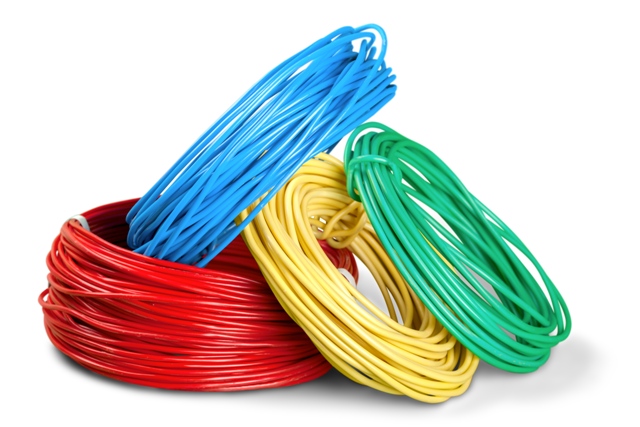
Understanding the Different Types of Cables and Their Uses
Understanding the different types of cables and their uses is crucial for anyone working with electronics, home theater systems, or networking. Cables are essential components that allow devices to communicate and transfer power. There are several categories of cables, including power cables, data cables, and audio/video cables. Each type serves a specific purpose, with characteristics that cater to the needs of connected devices. For example, power cables deliver electricity to devices such as computers and televisions, while data cables like USB and Ethernet are vital for transferring information between devices.
To better understand the different types of cables, here’s a brief overview of some common types and their applications:
- HDMI cables: Used to connect high-definition video and audio devices, such as televisions, projectors, and gaming consoles.
- USB cables: Commonly utilized for data transfer and power supply between devices like smartphones, cameras, and computers.
- Ethernet cables: Essential for networking, allowing devices to connect to the internet and communicate with each other.
- coaxial cables: Used for cable television and internet services, providing a robust connection for data transmission.
By understanding these various cables and their uses, you can make informed decisions when setting up or upgrading your digital systems.
Counter-Strike is a highly popular multiplayer first-person shooter game that pits teams of terrorists against counter-terrorists in a range of mission-based scenarios. Players strategize and collaborate to complete objectives, such as bomb defusal or hostage rescue. To enhance your gaming setup, consider exploring Top 10 usb c accessories that can improve your overall experience.
How Cables Keep Our Devices Connected: A Deep Dive
Cables play a crucial role in ensuring our devices remain connected, serving as the physical medium through which data and power are transmitted. From the humble USB cable that connects your smartphone to a charger, to high-speed HDMI cables that deliver crystal-clear video and audio signals, these essential components come in various types and specifications. Fiber optic cables, for instance, utilize light to transmit data at incredibly high speeds, making them ideal for internet backbone connections. Understanding how these cables work helps us appreciate the technological marvels that keep our daily lives running smoothly.
Moreover, the importance of cable management cannot be overstated. Organized cables not only reduce clutter but also enhance connectivity by ensuring uninterrupted signals. Properly managing your cables—whether through clips, sleeves, or cable trays—can prevent degradation over time and prolong the lifespan of both the cables and the devices they connect. As technology continues to advance, our reliance on cables remains steadfast, highlighting their integral role in the ecosystem of interconnected devices that we depend on every day.
What Makes a Good Cable? Factors to Consider for Optimal Performance
When choosing a cable, several factors play a crucial role in determining its performance and reliability. First and foremost, consider the cable type—different applications require different types. For instance, HDMI cables are essential for high-definition video and audio, while Ethernet cables are vital for network connectivity. Additionally, look for cables that feature high-quality materials, such as gold-plated connectors and oxygen-free copper wiring, which can significantly enhance signal integrity and reduce interference.
Another important factor to consider is the cable length. While longer cables can be convenient, they may also lead to signal degradation, particularly in high-frequency applications. Therefore, choose a length that balances convenience with performance. Furthermore, always check for compliance standards—for example, look for cables that meet HDMI 2.1 or USB 3.2 specifications to ensure compatibility with modern devices. In summary, selecting the right cable involves evaluating its type, material quality, length, and compliance to achieve optimal performance.